Water Purification Systems: How to Maintain Safe and Clean Drinking Water
Water treatment systems play a critical role in providing safe and purified drinking water. A large number of homes deal with multiple pollutants that can degrade water quality. Recognizing these risks is an important first step. From bacteria to heavy metals, the types of pollutants can vary considerably. Choosing the right purification method can have a major impact on health and safety. But how does one navigate the options available? Examining the required steps can provide clarity and guidance.
Understanding the Need for Water Purification
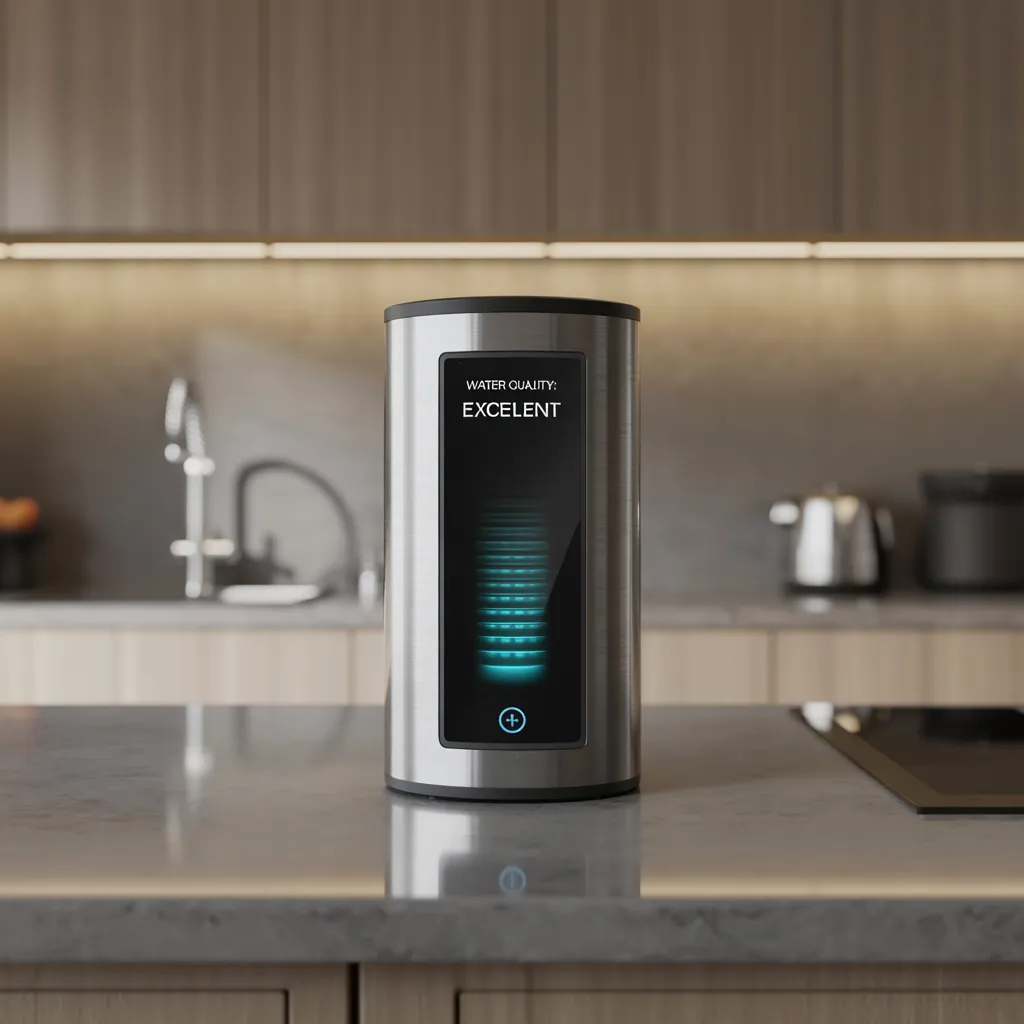
As consciousness of these concerns increases, so does the requirement for reliable water filtration systems. These systems work to eliminate contaminants, ensuring that water is safe for consumption and daily use. From elementary filtration devices to cutting-edge treatment technologies, a variety of solutions have been developed to tackle particular pollution concerns. Investing in water purification is not merely a personal choice; it is a critical measure toward protecting wellbeing and encouraging environmental responsibility in an increasingly polluted world.
Detecting Contaminants in Your Water
How can individuals guarantee the safety of their drinking water? Recognizing harmful substances is critical to ensuring clean and safe drinking water. Various substances can compromise water quality, including bacteria, heavy metals, pesticides, and industrial chemicals. To identify these harmful substances, Spokane Valley Plumber people can make use of water testing kits, which are widely accessible and offer a simple approach to evaluation.
Additionally, laboratory testing services provide a deeper examination, detecting specific pollutants and their levels. Regular testing is advised, most notably for residential wells or areas with identified contamination issues.
Individuals must also remain updated on regional water quality assessments, which often reveal potential contaminants in municipal supplies. By recognizing the specific risks present in their water supply, individuals can arrive at well-considered choices about essential treatment approaches and guarantee the purity and safety of their household water supply.
Review of Common Water Purification Technologies
Water purification systems play a vital role in providing safe and clean drinking water. Widely used approaches include activated carbon filtration, which efficiently eliminates impurities, reverse osmosis systems that remove harmful substances at a molecular scale, and UV disinfection processes that neutralize harmful pathogens and microorganisms. Each technology offers distinct advantages tailored to specific water quality challenges.
Carbon Activation Filtration
Activated carbon filtration effectively removes impurities from water, establishing it as a widely used solution in purification systems. This method makes use of activated carbon, a material with an extensive surface area that adsorbs contaminants such as chlorine, volatile organic compounds, and some heavy metals. This approach optimizes taste and odor, substantially elevating water quality. It is commonly implemented in various settings, including household filters, municipal systems, and industrial applications. Even though activated carbon filtration proves effective against a wide range of pollutants, it may not address all pathogens or dissolved minerals. Therefore, it is commonly paired with complementary purification approaches to achieve complete water treatment. Periodic replacement of carbon filters is critical to sustain performance and prevent the proliferation of bacteria within the filtration system.
Reverse Osmosis Units
Reverse osmosis systems are widely regarded as an exceptionally efficient approach for the purification of water, employing a semi-permeable membrane to filter out a broad spectrum of impurities. This method is especially effective at filtering out dissolved solids, heavy metals, and microscopic organisms, which makes it perfect for enhancing water quality. Water is forced through the membrane under pressure, enabling only pure water molecules to pass while preventing larger particles and impurities from getting through. The result is purified water that is often free from harmful substances. Many households and industries utilize reverse osmosis systems due to their efficiency and reliability. Routine maintenance and periodic filter changes are critical to maintaining top performance. In summary, reverse osmosis stands as a foundational element in contemporary water purification technologies, playing a significant role in ensuring access to safe drinking water.
UV Sanitization Approaches
Among various water purification technologies, UV disinfection methods provide a highly effective solution for maintaining water safety. This method uses ultraviolet light to eradicate harmful microorganisms, including bacteria, viruses, and protozoa. The process involves exposing water to UV-C light, which disrupts the DNA of pathogens, rendering them unable to reproduce and cause disease. UV disinfection is chemical-free, rendering it an environmentally friendly option, and it does not alter the water's taste or odor. However, it is important to note that UV systems require clear water to be efficient, as turbidity can protect microorganisms from exposure. Regular maintenance and lamp replacement are necessary for maximum performance, ensuring that the system effectively provides safe drinking water.
How to Find the Best Water Purification System
Choosing the right water treatment system begins with assessing the quality of the water under consideration. Understanding individual purification demands is essential to confirm effective removal of contaminants. This thoughtful method establishes the groundwork for identifying an suitable system tailored to personal preferences.
Assess Your Water Quality
What is the best way to determine the appropriate water purification system for their needs? The primary step involves examining the state of the water supply. This can be accomplished through water testing, which reveals contaminants such as bacteria, heavy metals, and chemical pollutants. Residents may decide to utilize test kits available at local stores or turn to professional services for thorough analysis. Recognizing the specific impurities present in the water is vital, as different purification systems address different contaminants. Moreover, local water quality reports can offer useful information about broader issues impacting community water sources. By gathering accurate information about water quality, homeowners can reach well-informed conclusions regarding the most effective purification system to secure safe and clean drinking water.
Determine Your Purification Requirements
Once water quality has been evaluated, homeowners can proceed to pinpoint their particular purification requirements. One should take into account elements including the nature of impurities found—including bacteria, heavy metals, or chemical compounds—and the volume of water required for daily use. It is equally important to consider household needs, including the number of occupants and any unique circumstances, such as babies or aging relatives. Budget constraints may influence the decision, as some systems require higher initial investments or ongoing maintenance costs. Furthermore, it is advisable to assess the ease of installation and the space needed to accommodate the system. Ultimately, understanding these elements will guide individuals in choosing a filtration system that adequately resolves their individual water quality issues and personal lifestyle needs.
Configuring Your Water Treatment System
Implementing a water purification system can be a manageable process when handled with care. To begin, the individual should closely examine the installation manual specific to the chosen system. This confirms that all components are accounted for and that each step of the installation is comprehended.
Next, it is important to select an appropriate location, preferably near a water source and a power source, if required. The setup typically involves linking the system to the current plumbing, which may necessitate common tools such as adjustable wrenches and screwdrivers.
Once the connections are secured, the operator must check the system for leaks and ensure proper operation, making sure that all seals are firmly in place. Finally, it is recommended to run the system for a short period before usage to eliminate any residual impurities. Completing these steps results in a successful installation, guaranteeing a supply of safe and clean drinking water.
Key Maintenance Tips to Ensure Long-Lasting Water Purification
Servicing a water treatment system is essential for securing its longevity and effectiveness. Routinely inspecting and changing filters as outlined by the manufacturer's recommendations can significantly enhance functionality. Accumulated contaminants may compromise filtering contributing to reduced water quality. Additionally, washing the system's elements, including tanks and dispensers, serves to avoid the buildup of bacteria and sediment.
Inspecting the unit for unusual sounds or leaks is equally important, as these may signal underlying issues that require immediate attention. Keeping the unit in a properly ventilated and dry location can limit heat and moisture damage. Regularly checking and tightening the connections ensures a stable configuration, avoiding water loss while sustaining efficiency. Additionally, recording maintenance tasks creates a consistent record, allowing users to anticipate future replacements and needs. By following these maintenance tips, owners can ensure their water treatment systems run at peak efficiency for the long term.
Why You Should Test Your Water Regularly
Consistent water testing is a key component of ensuring the performance of every water purification system. By routinely analyzing water composition, individuals can identify pollutants that may threaten health and safety. Analysis helps identify dangerous contaminants such as bacteria, heavy metals, and chemical pollutants, allowing for swift response before problems worsen.
Moreover, routine evaluations offer valuable information about the performance of water purification systems. Through extended operation, filters and membranes can deteriorate, reducing their ability to purify water efficiently. Test findings can guide required maintenance or improvements, guaranteeing peak functionality.
In addition, the quality of water can change as a result of factors such as changes in seasons or surrounding industrial activities. Regular testing helps keep track of these fluctuations, empowering individuals to make informed decisions regarding their water supply. Essentially, consistent water testing serves as a proactive measure to protect health and ensure the availability of clean drinking water.
Questions We Often Receive
Can Water From Any Source, Including Rivers or Lakes, Be Purified?
Indeed, water from sources like rivers or lakes can be purified. That said, appropriate filtration and treatment methods are necessary to get rid of harmful contaminants, guaranteeing the water is suitable for consumption and devoid of harmful pathogens.
What Are the Environmental Impacts of Water Purification Systems?
Water treatment systems may result in ecosystem interference, energy consumption, and chemical contamination. The installation of such systems has the potential to decrease natural water sources' purity, impacting surrounding ecosystems, while inadequate disposal of waste materials poses additional risks to ecological well-being.
How Much Should You Expect to Pay for a Good Water Purification System?
A reliable water purification system usually ranges in price between $100 and $1,500, depending on the type of technology and system capacity. Variables such as additional features, installation, and upkeep can further influence the overall price for homeowners.
Are There Health Risks Associated With Water Purification Systems?
Yes, there can be safety concerns linked to the use of water purification systems, including improper maintenance leading to bacterial growth, chemical contamination from filter materials, and insufficient elimination of harmful contaminants. Consistent upkeep and monitoring are critical to ensuring safety.
What Is the Time Required to Purify Water?
The amount of time necessary to purify water changes based on the purification method; simple filtration may take minutes, while reverse osmosis units may require multiple hours to complete the process. Elements like water quality and system performance can further affect how long purification takes.